Property Team Insight - Los Angeles, CA

When Drone-Assisted Cleaning Beats a Lift for Commercial Buildings

The right access method depends on the surface, finish, working height, wind, water, pedestrian control, and the type of cleaning result the property needs. Los Angeles commercial exterior cleaning plans must account for a wide range of facade materials, active public edges, limited staging areas, water-conservation priorities, drainage, heat, wind, and airspace. Each quote begins with the property's actual elevations and operating needs, then identifies where drone delivery, ground equipment, direct access, or specialty referral may fit.

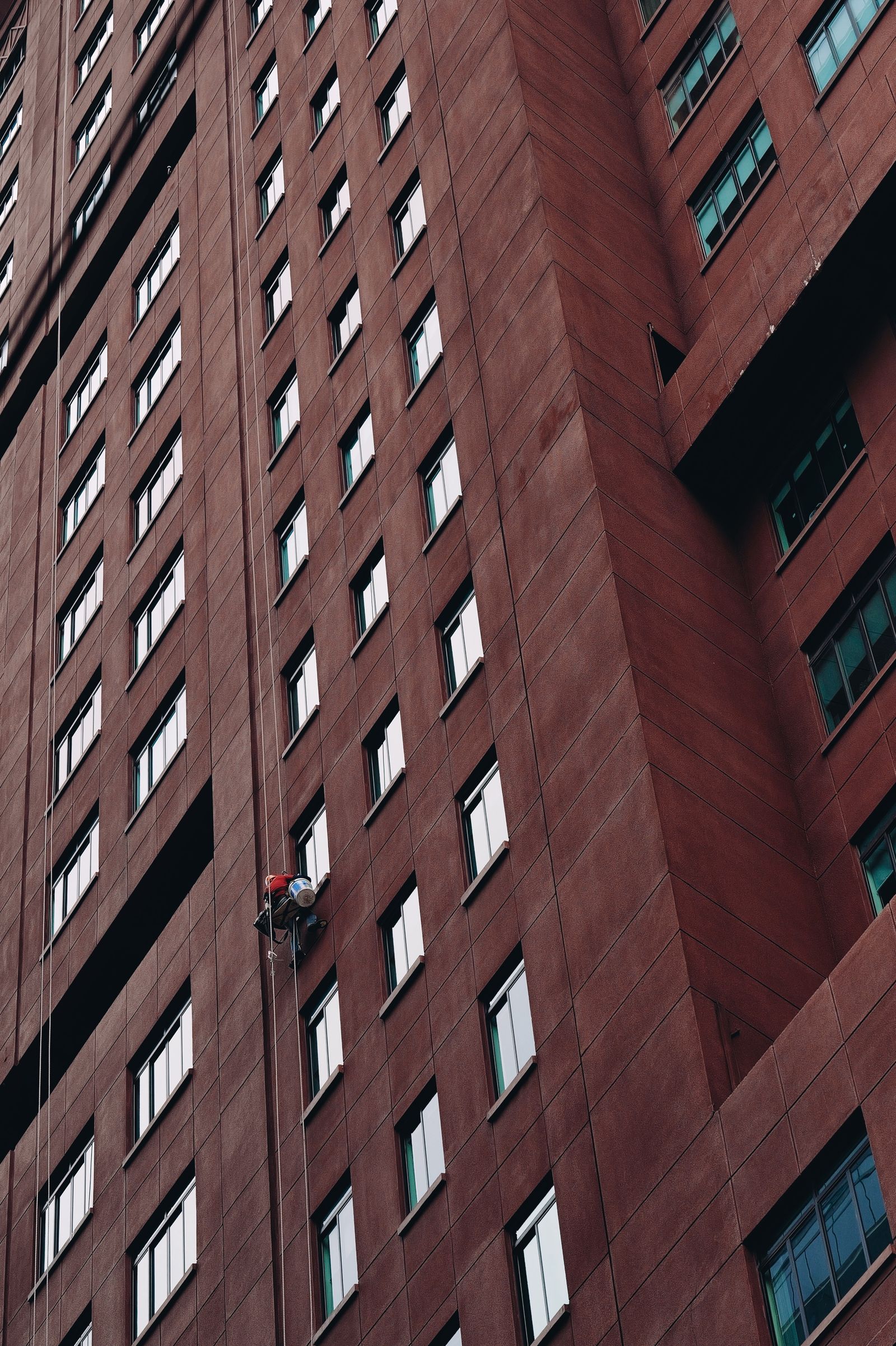
High-access technician working on the exterior of a multistory building
Some elevations still require contact access; the scope should identify that before mobilization.
Los Angeles Building Care

Where drone-assisted work can help

Drone-assisted wetting and rinsing can reduce setup time for compatible upper facade zones, especially when the property has clear stand-off distance, a workable launch area, safe hose routing, and a ground crew that can control the work zone.

Los Angeles Building Care

Where contact access is still the honest answer

Squeegee-finish glass, mineral deposits, oxidation, scraped residue, detailed caulk work, and some restoration conditions need contact tools. A responsible scope identifies those needs before a price is presented.

Los Angeles Building Care

What the property manager should compare

Compare setup, access, surface risk, disruption, water and runoff planning, documentation, rescheduling rules, and the final finish rather than comparing equipment alone.

Local Planning Lens

Exterior cleaning planned around the Los Angeles building, block, and water path

A Downtown tower, Hollywood mixed-use property, Koreatown apartment building, Westwood institutional site, Venice storefront, Valley office, and San Pedro commercial facility can require different access and water controls. Planning separates compatible maintenance cleaning from restoration or inspection, maps runoff before application, and coordinates the work with current property operations and weather.

  • Review glazing, stucco, EIFS, masonry, precast concrete, painted finishes, metal panels, coatings, sealants, signs, vents, and visible repairs by elevation.
  • Map entrances, accessible routes, loading areas, parking, water supply, roof and grade drainage, storm-drain inlets, neighboring uses, and potential recovery points.
  • Set property-specific limits for wind, heat, rapid drying, public movement, flight conditions, and recovery capacity before the service window.
  • Define the maintenance-cleaning result, representative test process, exclusions, and any condition that requires direct-access cleaning, restoration, or qualified inspection.
Next Step

Turn the question into a property-specific scope.

The guide is a starting point. Surface, access, traffic, weather, water, and the required finish determine the right next step for the building.